

There is no such place as APAC
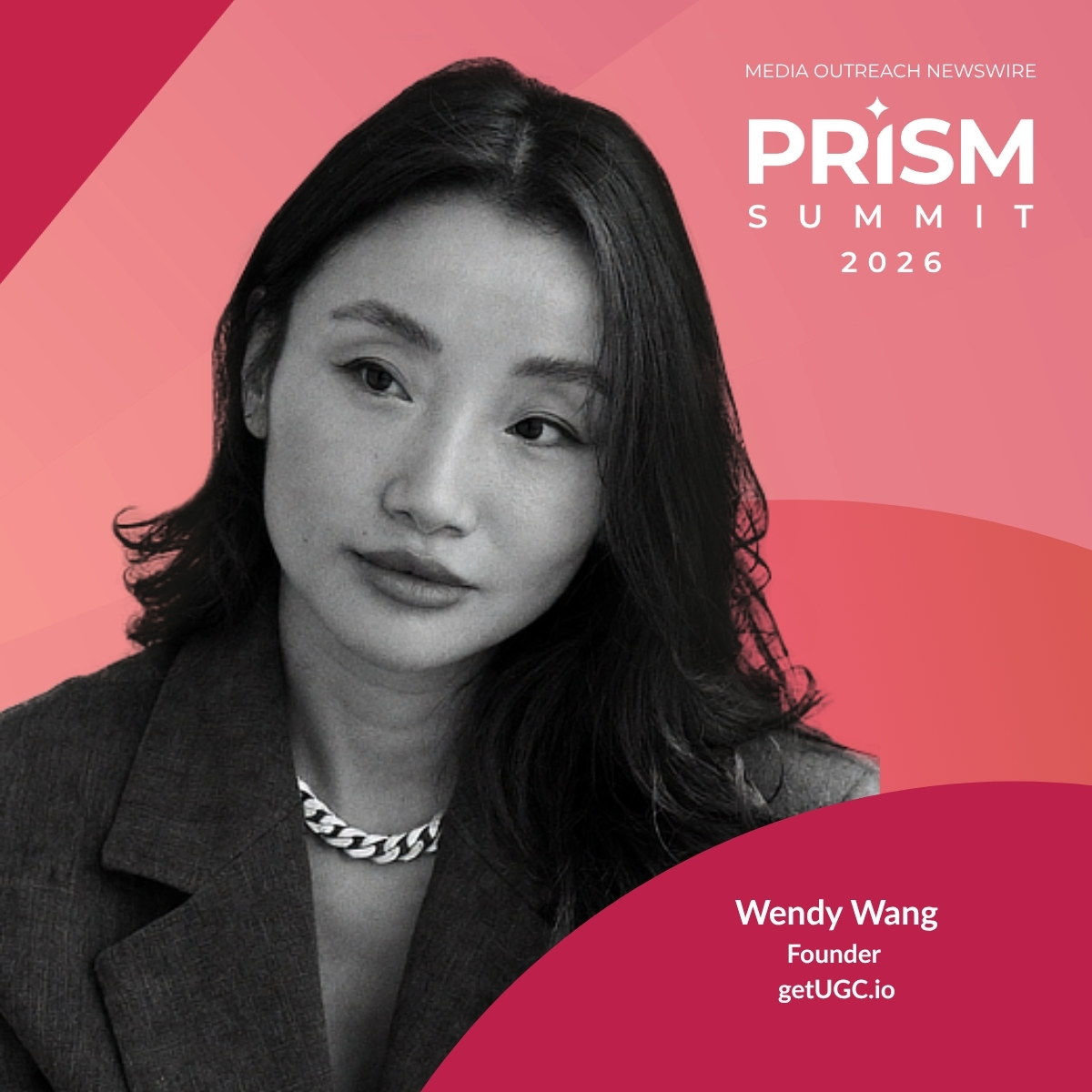
By Wendy Wang, Founder, GetUGC.io
There is no such place as APAC.
I run creator programmes in seven markets, and I treat them as seven, because what lands in Indonesia can do the opposite in Thailand. In Taiwan, I find creators wary of anything that makes them look bought, because 業配 (paid placement) costs them something with their own audience. In Indonesia and Vietnam, creators sell openly on livestream, name the discount, and their audience loves them for it. Same brief. Opposite result.
Global builds one idea and asks the region to execute it. That is where this work quietly breaks, and it is not a translation problem. Trust is local, and it is earned locally.
Underneath those seven versions sits one change our industry has still not absorbed. Trust did not drop. Trust moved. From famous to familiar, and most of us are still knocking on the old door, wondering why nobody answers.
Reach moved too. It stopped being something you buy and became something content earns, one post at a time. Research this year from impact.com, Cube Asia, and dentsu linked influencer and affiliate marketing to an estimated 32% of Southeast Asia's e-commerce sales. Almost a third. That is not a channel any more. That is the water.
I have been doing this for 14 years. The job I started in was simple: find the biggest following you could afford and put the product next to it. I believed in it, and then it stopped working. Influence stopped being about size and became about voices and shared experience. People trust people who feel like them. Same problems, same kitchen, same budget.
That changes the goal. For years we tried to get 100% of people 50% with us. Broad, safe, agreeable, forgotten. I would rather have 50% of people 100% with us. That is a community. The other thing is reach wearing a better word.
If that sounds unfamiliar, it should not. Communications invented it.
For 50 years, the best asset in any comms team was a list of maybe 30 reporters who would pick up the phone. Not because you paid them, but because you had been useful and honest with them for years. You protected that list, and it was worth more than any budget.
That list did not die. It changed shape. Today it is 300 small creators and community voices, the people a category listens to before it makes up its mind. Same skill, same patience, new list, same job. It still works the same way. Narrow to broad. Credibility is earned first among the few voices a field defers to, and the wider market takes its cue later. Reach is the result, not the cause.
On one global programme, the client had always used a single celebrity ambassador. I kept the ambassador and added hero, macro and micro tiers underneath to see what each layer actually did. The ambassador delivered recognition, which is what an ambassador is for. On conversion, engagement and sentiment, the celebrity and hero content came last, and the smallest creators carried the conversation.
My first thought was not I told you so. It was, good, now we know. That is the whole point of doing this. To know. An advertisement states. This work listens. The winners are the brands willing to hear what comes back.
So why does the money still go to the big name? Not because anybody is foolish.
Look at the approval chain. Legal removes the risk. Brand removes the inconsistency. Global removes what will not travel. Every cut is correct. What comes out is accurate and safe, and says nothing, because the specifics that were removed were the reason anyone might have believed you.
Then look at the scoreboard. Our industry has spent the last two years proving influence can perform. Attribution, affiliate codes, commerce dashboards. I am glad we won that fight. But somewhere in the victory lap we started optimising for whatever is easiest to count. We measure more than ever and are believed less than ever. We are all being scored on the wrong thing.
So here is the question I now ask before anything else. Do you have a community, or have you only ever rented one?
If the honest answer is that you rent, start there. The people who already know how to do this are creators. They are not afraid to be personal. They show the bad as well as the good, while brands keep polishing the version where nothing has gone wrong and wondering why it moves nobody.
I will be honest about the hard part, because I live it every day. 300 voices are harder to run than one famous face. Hundreds of small, real, human pieces, made fast and made true to each person's own voice, in whatever language their audience thinks in. That is a craft of its own, harder than booking one famous name and worth 10 of them.
You do not need a face for this. You need to let the people who already believe you be the face. The brands that win the next 10 years will not have the biggest faces. They will have the most believers.
Trust moved. Move with it.
Wendy Wang has spent 14 years in influencer marketing from every side of the table, agency, brand, and now her own company, across EMEA, the US and Asia. She founded GetUGC.io, where she helps brands build a community of their own instead of renting someone else's. She speaks on The Influence Stack at the IPRS PRISM Summit in Singapore on 12 November 2026.